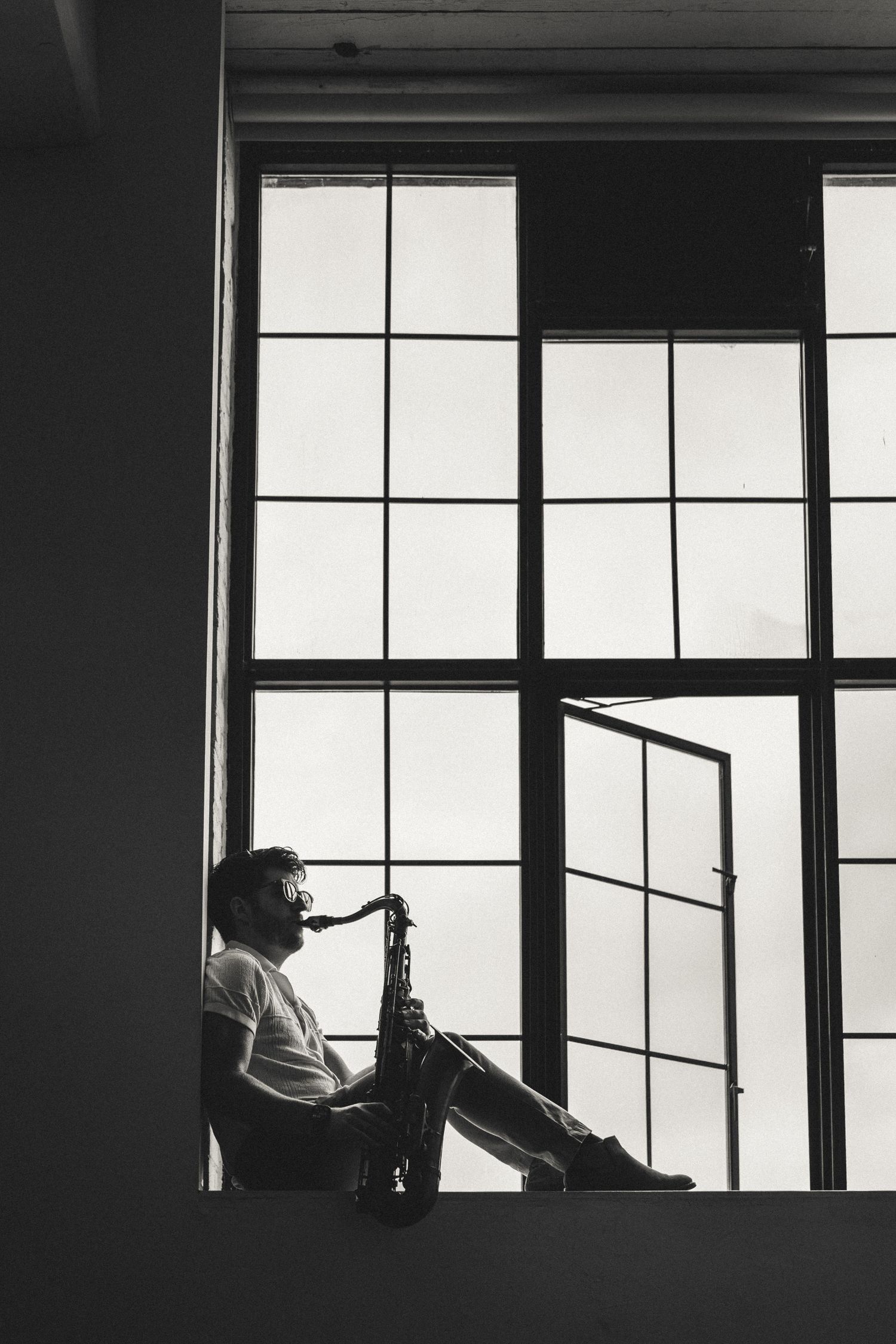
The afternoon light cuts through the studio windows in sharp geometric patterns. Nick sits in the windowsill, saxophone to his lips, silhouetted against white light. I reach for the Mamiya RZ67, not the Sony. Something about this moment belongs to film.
I've never understood the zealotry around photography mediums. The film purists who speak of digital with barely concealed disdain. The digital evangelists who view film as expensive nostalgia. They're both missing something essential.
Nick isn't particularly comfortable being photographed. Most people aren't. His hands know exactly where to find each note on his saxophone, but he's unsure what to do with his expression when my lens points his way. Yet when he plays, something shifts. His body remembers its purpose. This is worth capturing in multiple languages.
For two hours, we move through the studio. I switch between the Mamiya, Leica, and Sony as naturally as changing my position. Each camera sees Nick differently. The Leica is intimate, quick, decisive. The Mamiya deliberate, contemplative. The Sony observant, adaptable. Together they form a more complete portrait than any single system could provide.
When the film returns from the lab a week later, I'm struck by the window frame. The digital captured it perfectly – sharp lines, balanced exposure, exactly as my eye remembered it. But the medium format film captured it truthfully – the way the moment felt. There's a weight to the shadows that speaks to Nick's concentration, a luminosity to the highlights that mirrors the clarity of his notes.
I've been thinking about this as we prepare to leave Seattle for Tulum. The light there does something different. It's more assertive, more present. During my scouting trips, I've watched it flood ancient stone with impossible warmth at sunset, then pierce through cenote openings in concentrated beams that seem almost solid. Some of these moments belong to film, some to digital.
Last month in Tulum, a few days after Vayle and I got married, we were walking along the beach during our honeymoon. I had both the Leica and the Sony with me—a habit I can't seem to break even on my own wedding trip. Vayle watched me switch between the two as I photographed her in that perfect late afternoon light, where the sun turns everything it touches into gold.
"I've been meaning to ask," she said, as I wound the film advance, "why do you carry both?"
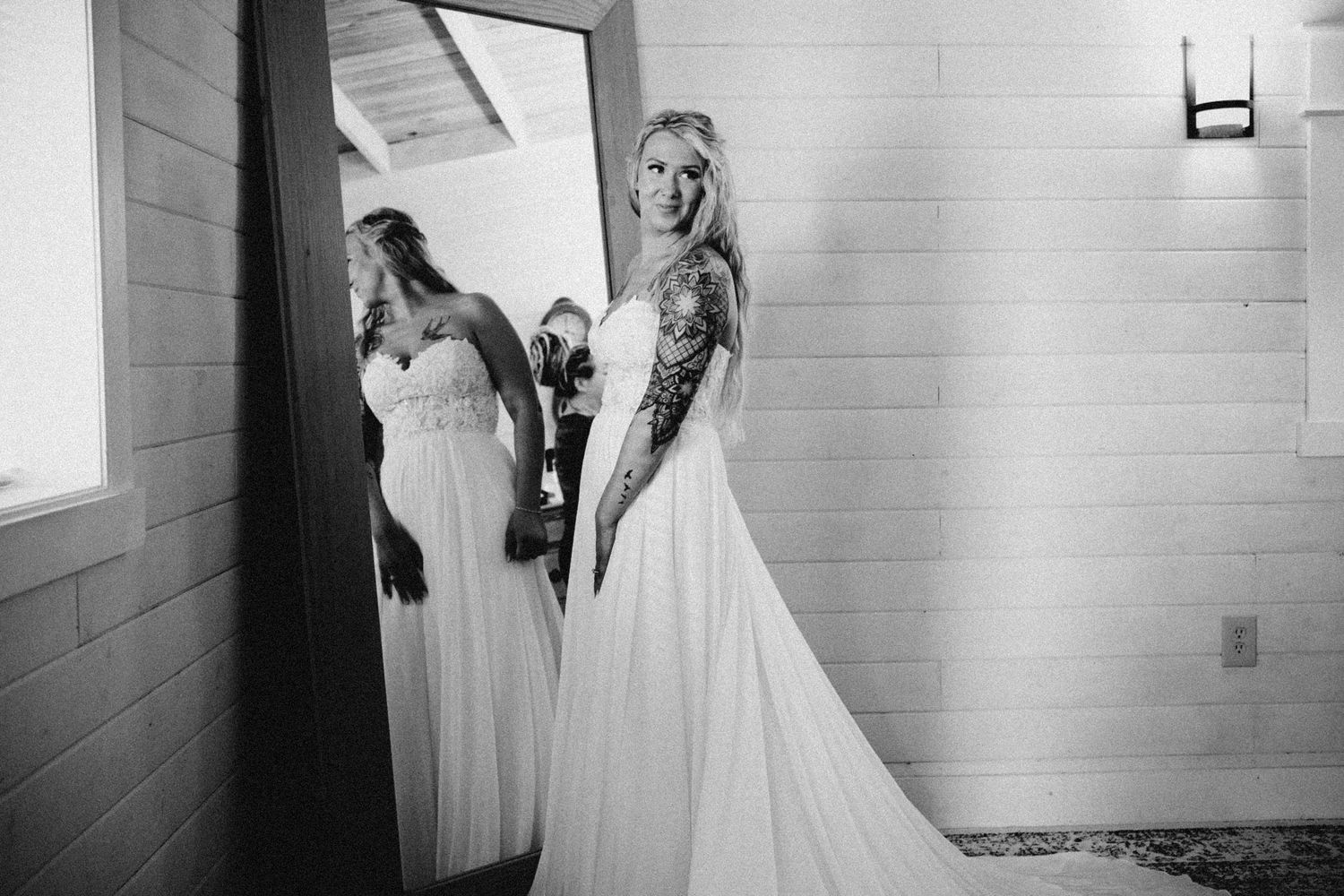
I paused, considering how to explain something that felt intuitive to me but might seem unnecessarily complicated to others. "The getting-ready photos from our wedding day in that dimly lit cenote suite—that's a moment for digital. The camera can see in conditions where film would have struggled." I gestured toward the ocean where we'd said our vows. "But our ceremony at the edge of the beach, with your white dress against white sand against turquoise water—that belongs to film, its graceful handling of highlights and its distinctive colors."
"But which actually looks better?" she asked, genuinely curious.
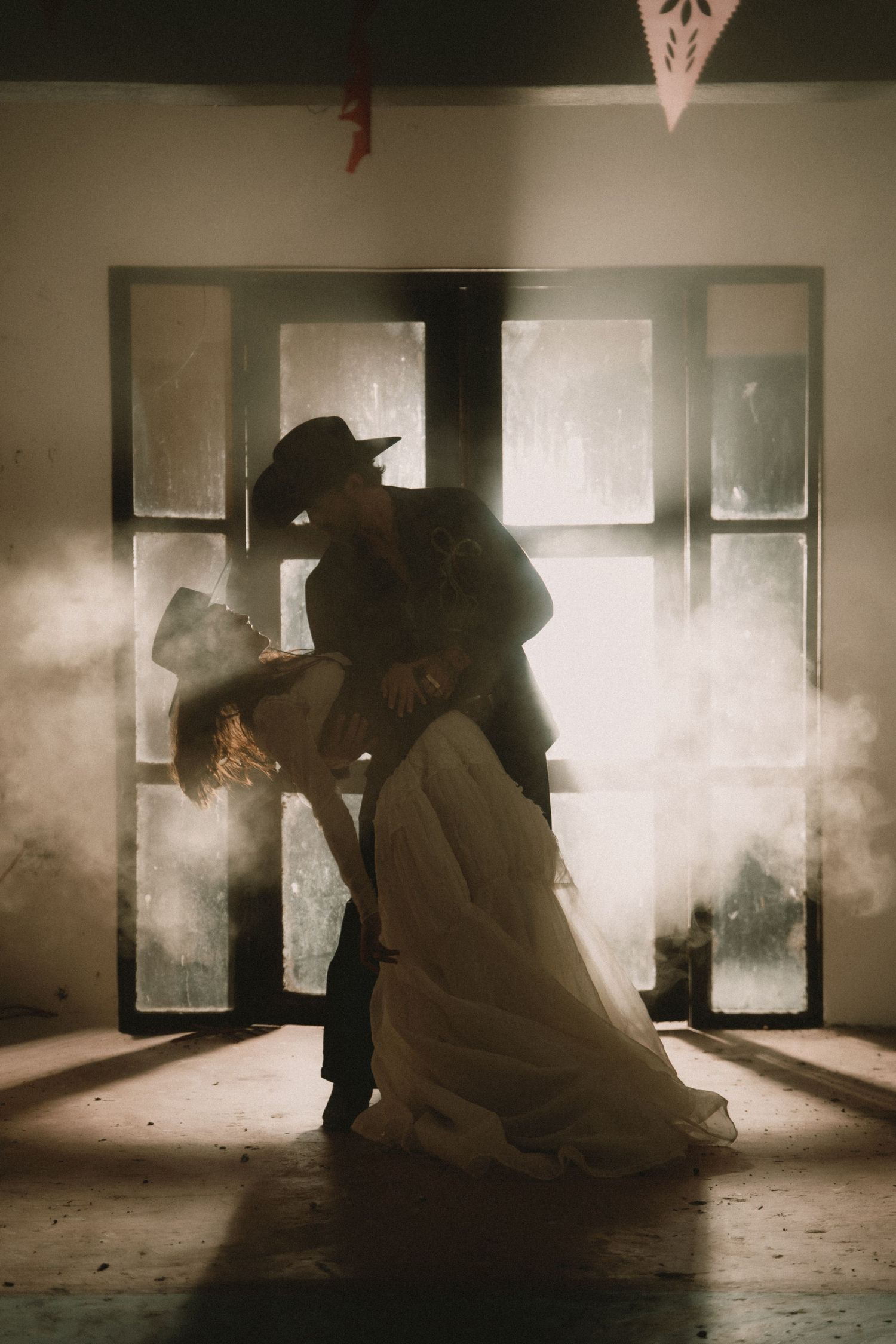
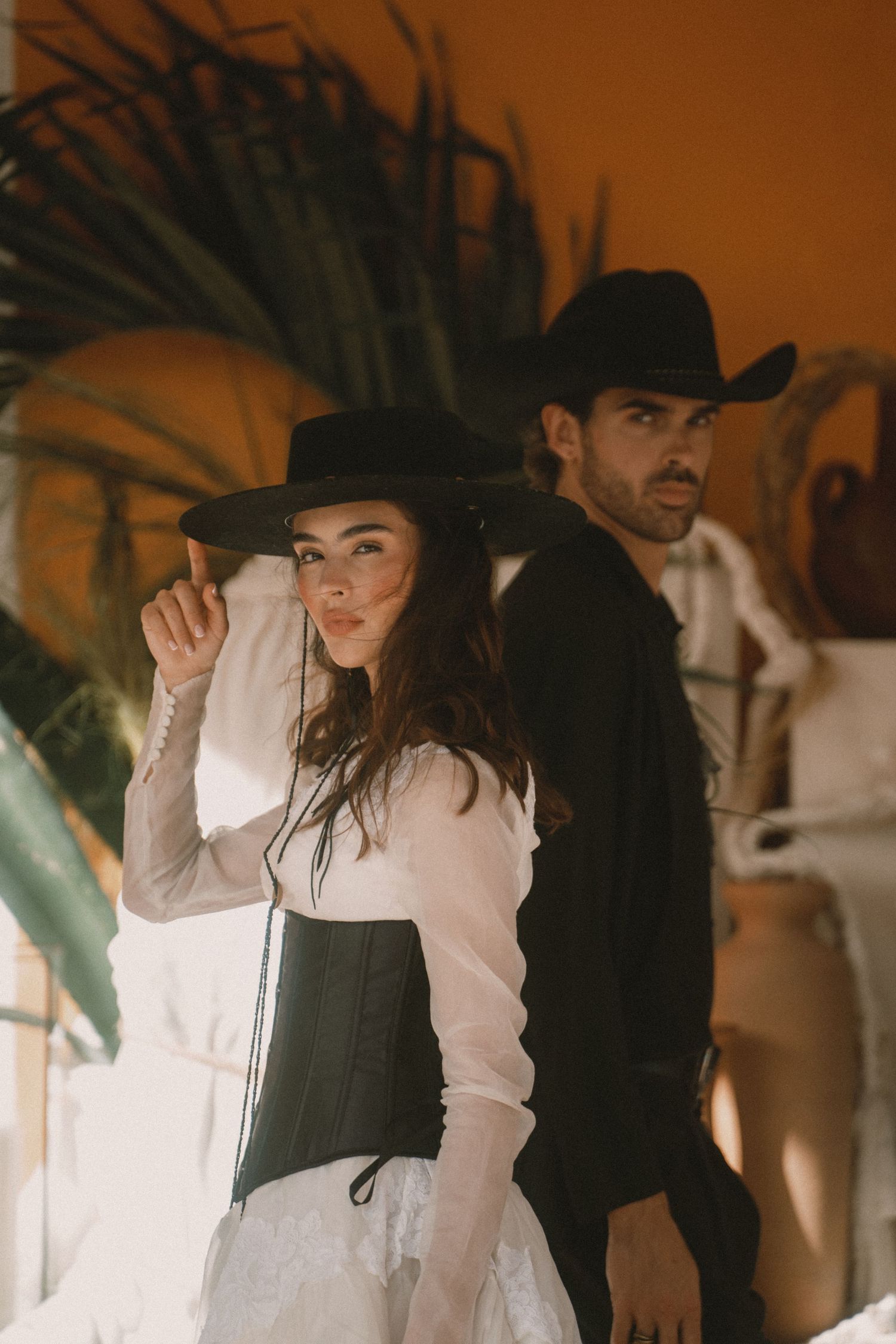
I showed Vayle some images on my phone. Photos from another couple's wedding I'd shot last summer in the Pacific Northwest. The digital images of their morning preparations—clean, precise, contemporary. Then the film images from their ceremony beneath ancient cedars. She studied both, swiping back and forth between them. After a moment, she pointed to the film photographs.
"These have something different about them," she said. "I can't explain it, but they feel more... alive somehow."
That's not to say film is more emotional, or digital more technical. It's never that simple. Film can be clinical, digital deeply moving. The difference is in which moments belong to which medium.
When Vayle received her portraits from our honeymoon, I could see the excitement in her eyes, particularly when she came across a film shot of her posed next to the ocean that day. She couldn't articulate why that particular frame spoke to her most strongly. She didn't need to know it was shot on a Leica with Portra 400, that the grain structure complemented the faint texture of the sand she stood atop, that the 50mm's depth translated her posture in a way that felt both contemporary and timeless.
She just recognized her truth in that frame.
This is how I approach every wedding, every portrait session. Not with allegiance to a particular technology, but with commitment to emotional accuracy. Sometimes that requires digital's precision, sometimes film's interpretation, usually both in conversation with each other.
As we pack our life for Tulum, we're bringing every tool that helps us see truly. The Mamiya for portraits in ancient light. The Leica for intimate moments. The Sony for reception dancing and cenote adventures. Together they speak a complete visual language – one that will tell your story not just as it looked, but as it felt to be there.
Light has many dialects. We're fluent in all of them.