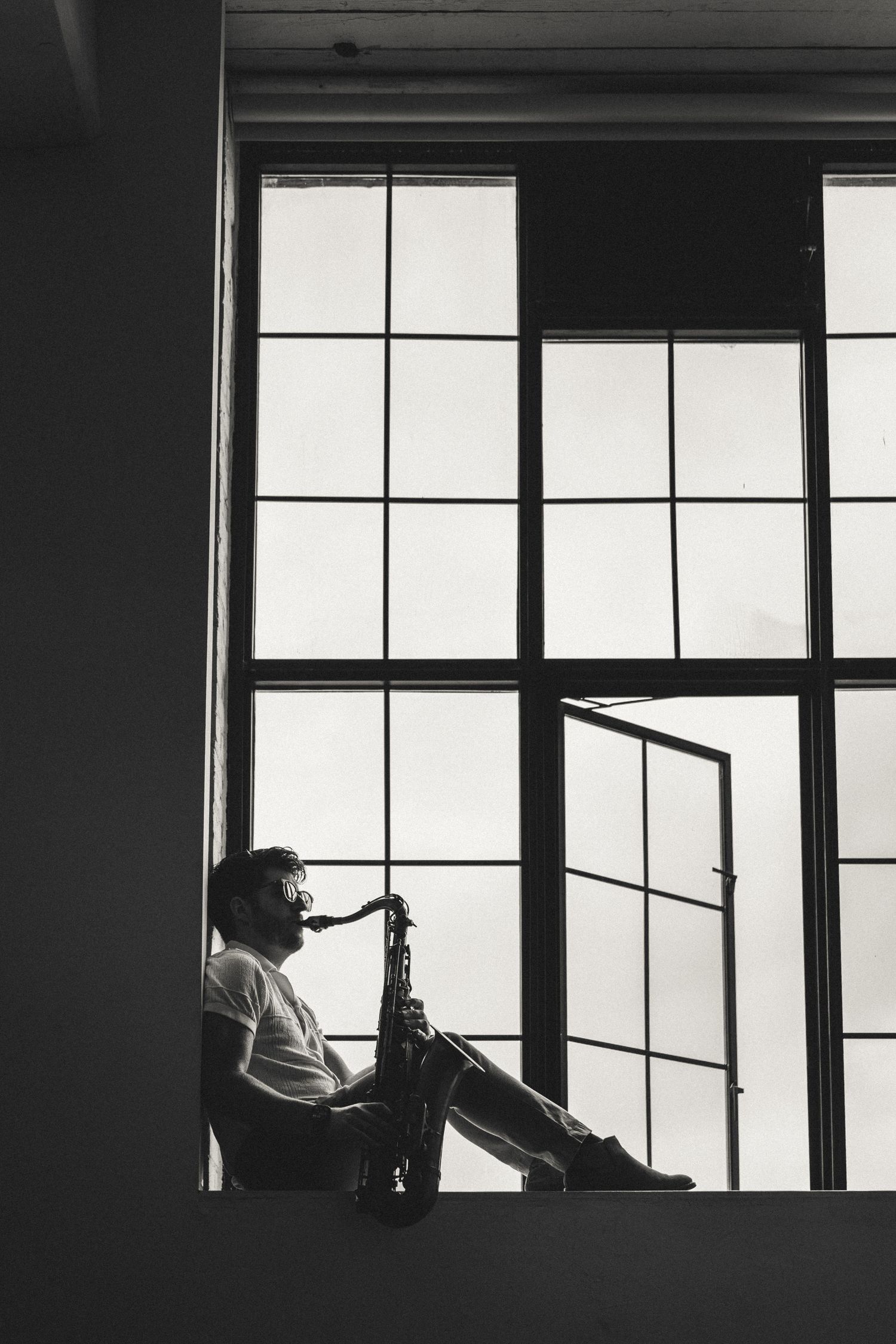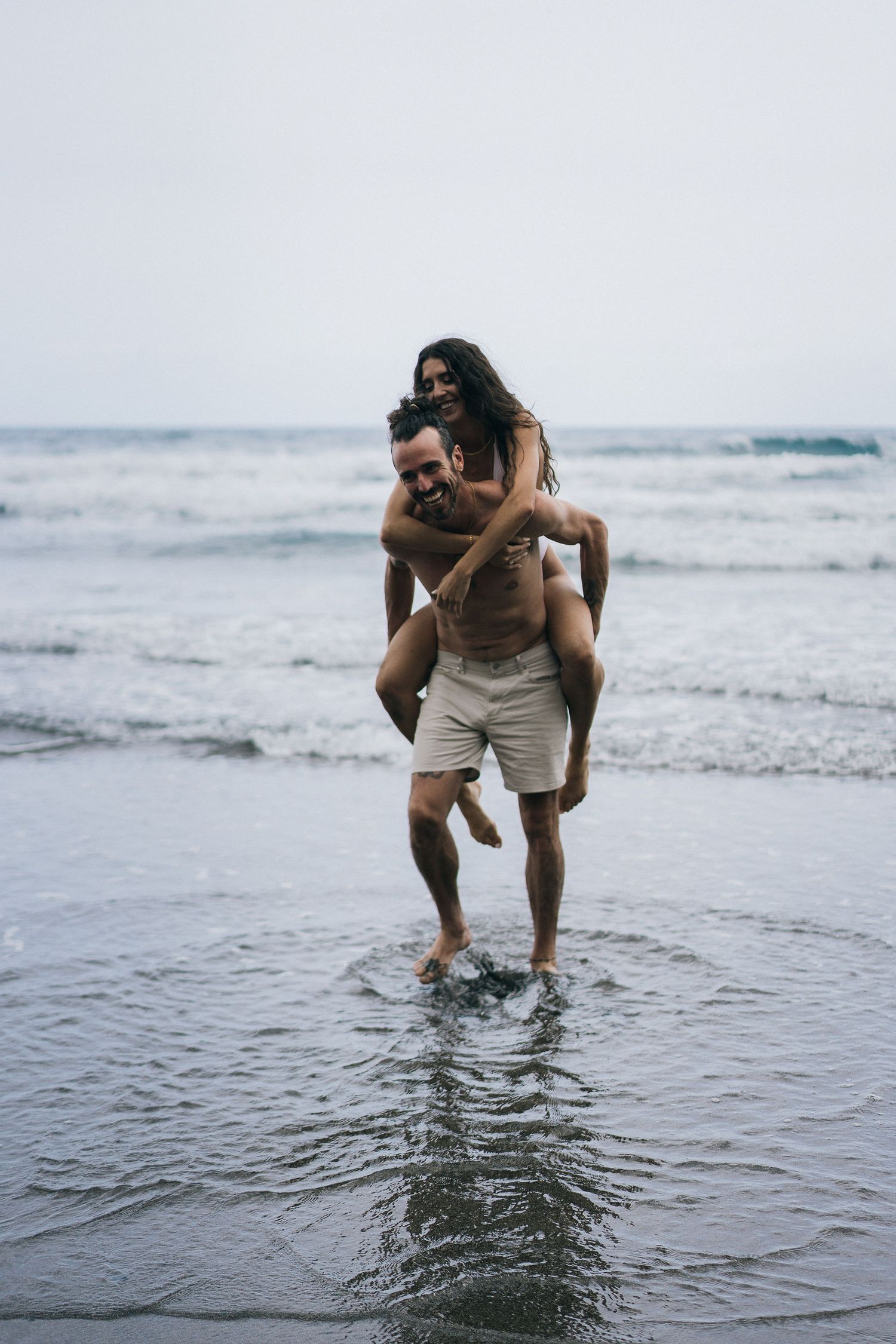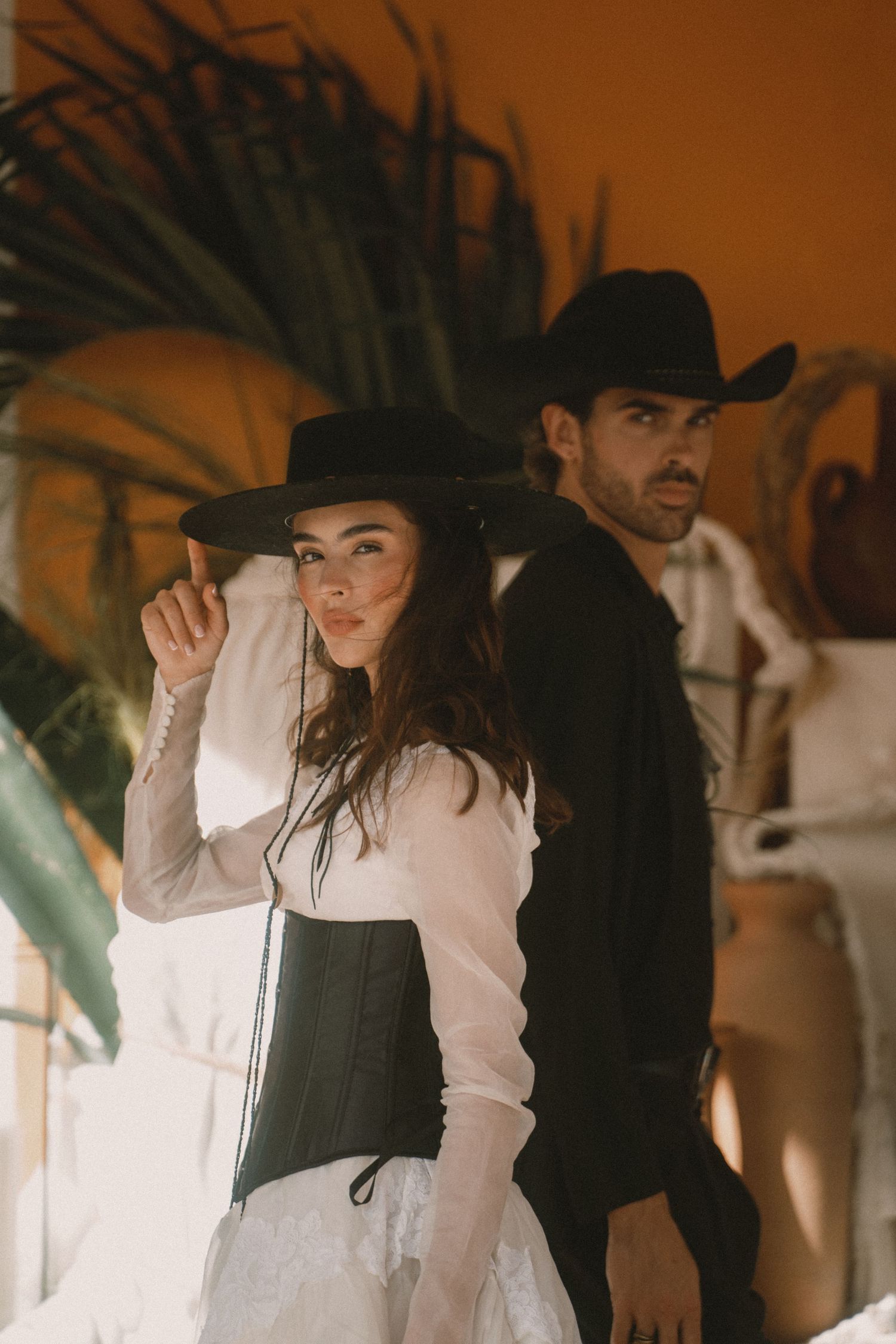
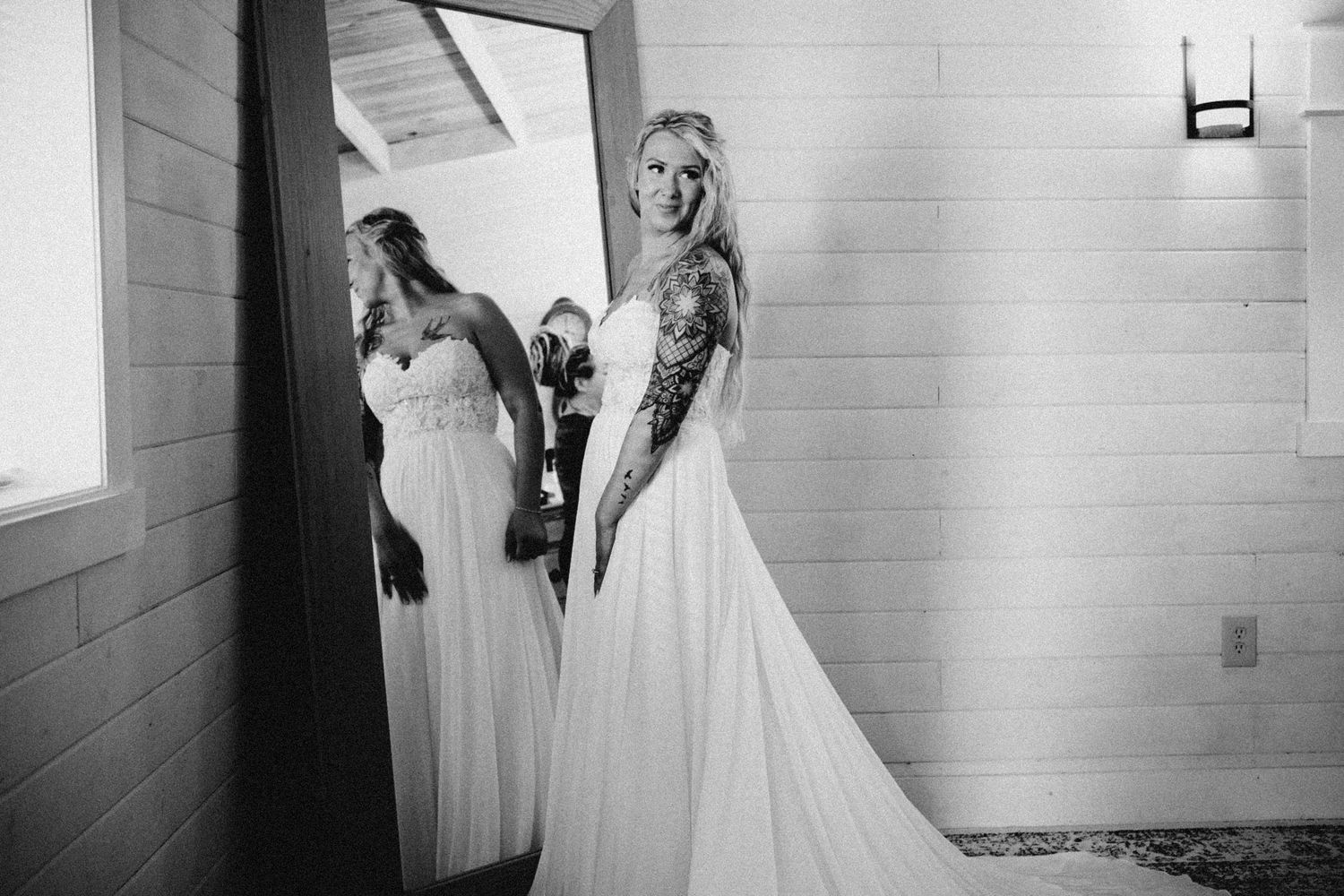
There's a moment that happens sometimes—fleeting and precious—when I'm photographing a couple. The camera lifts to my eye, the scene unfolds, and suddenly I'm not merely documenting what's happening; I'm translating an emotion into visual language. These are the moments I live for, when photography transcends its technical constraints and becomes something more—a narrative, a feeling, a whispered truth.
I remember a wedding last summer on a rocky shoreline near Deception Pass. The formal portraits were complete, the family groupings captured. As the guests migrated toward cocktail hour, I noticed the couple lingering near the water's edge. They weren't posing or performing—just existing together in this threshold moment between ceremony and celebration. The wind caught her veil, lifting it skyward like a banner, while his hand instinctively found the small of her back. Neither looked at the camera. They didn't need to.
That frame—shot on Kodak Tri-X film with my medium format camera—contained something I couldn't have engineered: the subtle tension between stillness and movement, between public ceremony and private connection. The difference between this approach and standard wedding documentation is like the difference between reading a transcript and hearing a poem.
This is what I mean by visual storytelling. It's finding those in-between moments that reveal something essential about the subjects—something they might not even realize they're showing. It's about patience and presence. About knowing when to direct and when to dissolve into the background. About understanding that the most powerful images often hide in plain sight, nestled between the expected moments.
When couples ask what makes my approach different, I often find myself talking less about equipment or techniques and more about this philosophy of watchful patience. The technical aspects matter, of course—the deliberate choice to shoot both digital and film, the careful consideration of light and composition. But these are just tools in service of something deeper: the narrative that unfolds when people forget they're being photographed.
There's something almost archaeological about this process—gently brushing away the surface layers of performance and expectation to reveal the authentic connection beneath. Sometimes it happens in grand, sweeping landscapes that dwarf the human figure. Other times it's in the microscopic details—hands clasped so tightly the knuckles whiten, or the way someone absently touches a cherished heirloom piece of jewelry during a quiet moment.
I've spent years refining this approach, learning to see what others might miss. The technical mastery serves the storytelling, not the other way around. When I hand-develop film from a wedding day, I'm not just processing images—I'm carefully preserving moments that matter. Moments that, with time, will only grow in significance as they become part of a couple's shared mythology.
This is the difference between documentation and storytelling. Documentation captures what happened. Storytelling captures why it mattered.
What stories are waiting to be told through your lens? What moments matter most to you?